

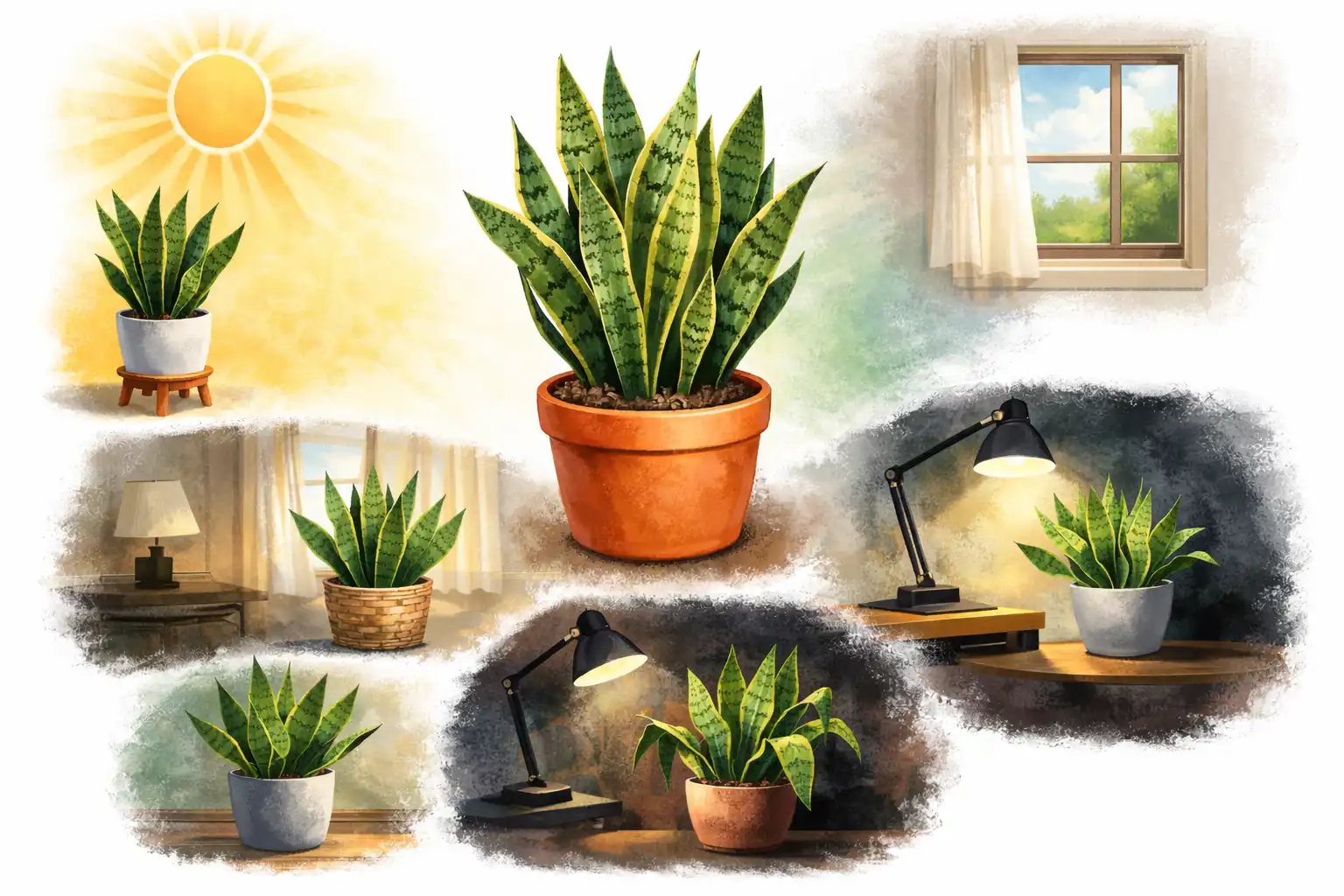
Snake plants do need light to survive, but they don’t require direct sunlight. They thrive best in bright, indirect light but can tolerate low-light conditions. However, without enough light, their growth slows and leaves may lose vibrancy.
Introduction: Understanding Snake Plant Light Needs
Snake plants are one of the most popular houseplants in the U.S., especially for beginners. Their ability to tolerate neglect, drought, and varying light conditions makes them incredibly versatile. But one question still confuses many plant owners: do snake plants need sunlight, and how much light do snake plants need to truly thrive?
From experience, many people assume snake plants are “no-light” plants, but that’s not entirely true. While they can survive in dim environments, they perform best when given proper lighting. Understanding snake plant light requirements is the key to faster growth, healthier leaves, and long-term success.
Snake Plant Light Requirements Explained
Do Snake Plants Need Light to Survive?
Yes, snake plants absolutely need light to survive, just like all plants. Light is essential for photosynthesis, the process that allows plants to convert light energy into food. Without light, your snake plant will eventually weaken and stop growing, and other care factors like proper watering and snake plant soil also play a role in keeping the plant healthy.
That said, snake plants are unique because they can tolerate low light conditions better than most houseplants. This adaptability is why they are often placed in offices, bedrooms, and even bathrooms with minimal sunlight.
Do Snake Plants Need a Lot of Light?
Snake plants do not need a lot of light compared to other houseplants. They are considered low-maintenance because they can survive in indirect or even dim lighting. However, survival is not the same as thriving.
In real cases, snake plants kept in brighter environments grow faster, produce stronger leaves, and maintain their vibrant patterns. If kept in very low light for too long, they may survive but show slow growth and dull foliage.
How Much Light Does a Snake Plant Need Daily?

On average, snake plants need about 5 to 8 hours of indirect sunlight per day for optimal growth. This doesn’t mean direct sun exposure; instead, filtered or diffused light works best.
If you’re wondering how much light do snake plants need in practical terms, placing them near an east- or north-facing window is ideal. These locations provide consistent light without the risk of leaf burn, which supports healthy growth similar to what you’d expect when you propagate snake plant successfully indoors.
Best Light Conditions for Snake Plants
Bright Indirect Light (Ideal Condition)
Bright, indirect light is the best environment for snake plants. This type of light mimics their natural habitat, where sunlight is filtered through trees or other plants.
In this setting, snake plants grow upright, develop bold colors, and may even produce new shoots more frequently. From experience, placing a snake plant 3–6 feet away from a window works perfectly in most homes.
Can Snake Plants Live in Low Light?
Yes, snake plants can survive in low light, which is why they are often labeled as snake plant low light favorites. However, low light comes with trade-offs.
In low-light environments, snake plants grow slowly, and their leaves may become thinner or slightly droopy. While they won’t die quickly, they won’t reach their full potential either.
Direct Sunlight: Good or Bad?
Direct sunlight can be harmful to snake plants, especially harsh afternoon sun. While they can tolerate some direct light, prolonged exposure can cause leaf burn and discoloration.
If you place your plant in a sunny window, using sheer curtains to filter the light can help protect it. This allows the plant to receive enough brightness without stress.
Step-by-Step Guide: How to Provide the Right Light
Step 1: Choose the Right Location
Start by identifying a spot in your home that receives consistent natural light. East-facing windows are usually the best option, as they provide gentle morning sunlight.
Avoid placing your snake plant in completely dark rooms unless you plan to use artificial lighting. Even low-light plants need some level of brightness.
Step 2: Adjust Distance from Window
Distance plays a crucial role in light intensity. Too close to the window may expose your plant to direct sun, while too far may reduce light availability.
A good rule is to place your snake plant a few feet away from the window. This ensures it receives indirect light without damage.
Step 3: Rotate the Plant Regularly
Snake plants tend to grow toward the light source. Rotating the pot every 2–3 weeks helps maintain even growth and prevents leaning.
This simple habit can significantly improve the plant’s overall appearance and structure over time.
Step 4: Use Artificial Light if Needed
If your home lacks natural light, you can use LED grow lights. These lights mimic sunlight and provide sufficient brightness for indoor plants.
In many indoor setups, artificial lighting helps maintain healthy growth, especially during winter months when daylight is limited.
Signs Your Snake Plant Is Getting Too Little Light
Slow or No Growth
One of the most common signs of insufficient light is slow growth. Snake plants naturally grow slowly, but in low light, growth may stop entirely.
If your plant hasn’t produced new leaves in months, lighting could be the issue.
Faded or Dull Leaves
Healthy snake plants have vibrant green leaves with distinct patterns. In low light, these patterns may fade, and the leaves can appear dull.
This is especially noticeable in variegated varieties, which need more light to maintain their color.
Drooping or Weak Leaves
When a snake plant doesn’t receive enough light, its leaves may become soft or droopy. This happens because the plant lacks the energy needed to maintain strong structure.
Signs Your Snake Plant Is Getting Too Much Light
Burnt or Brown Spots
Excessive sunlight can cause brown or white patches on the leaves. These are signs of sunburn and usually appear on the side facing the light source.
Curling Leaves
Too much direct sunlight can lead to dehydration, causing leaves to curl or wrinkle. This is often accompanied by dry soil.
Yellowing Edges
Yellow or crispy edges may indicate that your plant is receiving too much intense light combined with insufficient moisture.
Common Mistakes to Avoid
Assuming Snake Plants Don’t Need Light
A major misconception is that snake plants can survive without light. While they are tolerant, they still require light for photosynthesis.
From experience, many beginners place them in dark corners and wonder why they stop growing.
Placing in Harsh Direct Sunlight
Another mistake is exposing snake plants to intense direct sunlight. This can damage leaves and stress the plant.
Filtered light is always a safer and more effective option.
Not Adjusting for Seasonal Changes
Light levels change throughout the year. During winter, your snake plant may need to be moved closer to a window or supplemented with artificial light.
Ignoring seasonal changes can lead to slow growth or poor health.
Pro Tips for Optimizing Snake Plant Light
Keep Leaves Clean
Dust can block sunlight from reaching the leaves. Wiping them with a damp cloth every few weeks improves light absorption and photosynthesis.
Match Watering with Light Levels
The more light your plant receives, the more water it may need. In low light, reduce watering frequency to avoid root rot and prevent problems like an overwatered snake plant developing over time.
Use Reflective Surfaces
Placing your plant near light-colored walls or mirrors can help reflect light and improve overall exposure.
Benefits of Proper Lighting for Snake Plants
Providing the right light conditions offers several benefits that go beyond basic survival. Snake plants grown in ideal lighting are more resilient and visually appealing, which is one of the many snake plant benefits often mentioned by indoor plant enthusiasts.
They produce stronger, upright leaves and maintain their natural patterns and colors. Proper lighting also encourages new growth and can even increase the plant’s lifespan significantly.
In real cases, well-lit snake plants are far less prone to common issues like root rot or leaf drooping, especially when growers understand early symptoms and proper snake plant root rot treatment.
Quick Checklist: Snake Plant Light Requirements
- Place in bright, indirect sunlight
- Provide 5–8 hours of light daily
- Avoid harsh direct afternoon sun
- Tolerates low light but grows slower
- Rotate plant every 2–3 weeks
- Use grow lights in dark spaces
- Adjust placement seasonally
FAQs
1. Do snake plants need direct sunlight?
No, snake plants do not need direct sunlight. They prefer bright, indirect light, which provides enough energy without causing leaf damage or burn.
2. Can snake plants survive in a room with no windows?
They can survive temporarily, but not long-term. Snake plants still need some light source, so artificial grow lights are recommended in windowless rooms.
3. How much sunlight does a snake plant need indoors?
Indoor snake plants need around 5–8 hours of indirect sunlight daily. Consistent exposure helps maintain healthy growth and vibrant leaves.
4. Is low light enough for snake plants?
Low light is enough for survival but not ideal for growth. In low light, snake plants grow slower and may lose their strong appearance.
5. What is the best place to put a snake plant?
The best place is near an east- or north-facing window with filtered light. This provides the perfect balance of brightness without direct sun exposure.
Conclusion: Do Snake Plants Need Sunlight?
So, does snake plant need sunlight? Yes, it does—but not in the way most people think. Snake plants thrive in bright, indirect light but can adapt to low-light environments when necessary.
Understanding snake plant light requirements is essential if you want your plant not just to survive, but to grow strong and healthy. Provide consistent, indirect light, avoid extremes, and adjust conditions as needed.
With the right lighting setup, your snake plant will reward you with long-lasting beauty and effortless care.