

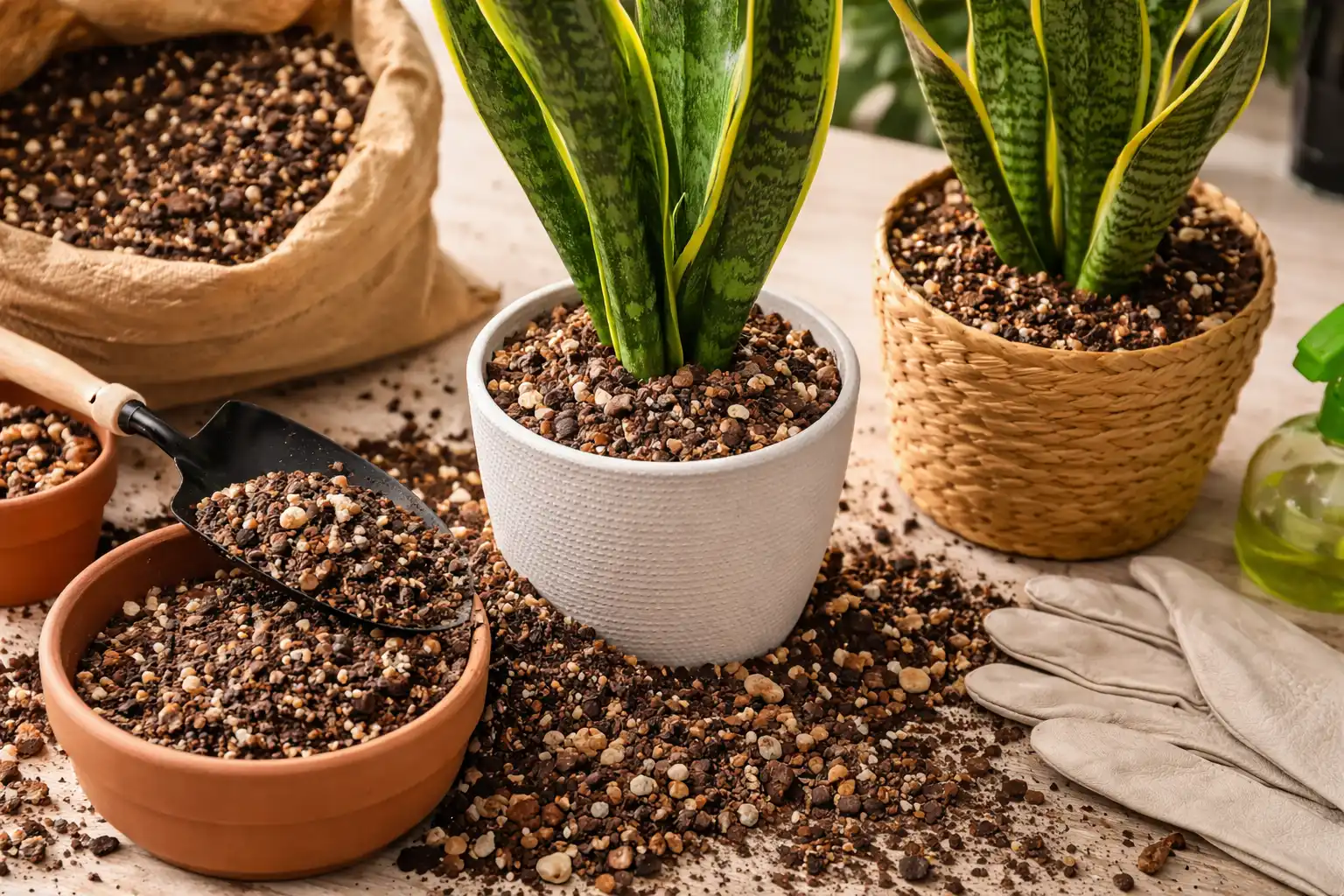
Yes, you can use succulent soil for snake plants — and in most cases, it’s actually the best choice.
Snake plants prefer fast-draining soil similar to succulents because their roots are highly sensitive to excess moisture. Using succulent soil helps prevent root rot and keeps the plant healthy.
Introduction
Snake plants are among the most beginner-friendly houseplants in the U.S., known for their resilience and low-maintenance nature. But one question often confuses plant owners: can you use succulent soil for snake plants?
The short answer is yes, but understanding why it works and how to optimize it makes a huge difference in plant health. From experience, many plant problems such as yellow leaves or overwatered snake plant symptoms are not caused by watering alone but are directly related to soil selection.
In this guide, you’ll learn everything from beginner basics to advanced care strategies, including how soil affects growth, common mistakes, and how to create the perfect mix.
Are Snake Plants Succulents?
Snake plants are often described as succulents, but technically, they are considered semi-succulents. This means they share many traits with succulents but belong to a different plant classification.
Their thick, upright leaves store water, allowing them to survive in dry conditions. This is why they behave like succulents in terms of care — especially when it comes to soil and watering, which is also explained in this snake plant care guide.
Why Snake Plants Are Considered Succulent-Like
Snake plants store water in their leaves just like traditional succulents. This adaptation allows them to tolerate drought and irregular watering schedules.
They also have a waxy coating on their leaves that reduces water loss, another key succulent trait. From experience, this is why overwatering kills snake plants faster than underwatering.
Key Difference from True Succulents
Unlike classic succulents such as aloe or echeveria, snake plants grow from underground rhizomes rather than fleshy stems. This makes their root system slightly different, but their soil needs remain very similar.
Can You Use Succulent Soil for Snake Plants?
Yes, succulent soil is not only safe but highly recommended for snake plants. It provides the drainage and aeration these plants need to avoid root rot.
Succulent soil typically contains ingredients like sand, perlite, and coarse materials that allow water to pass through quickly. This mimics the plant’s natural environment.
Why Succulent Soil Works So Well
Snake plants hate sitting in wet soil. Regular potting mix tends to retain moisture for too long, which can suffocate the roots.
Succulent soil solves this problem by allowing excess water to drain quickly, keeping the roots dry and healthy between waterings.
When Succulent Soil Alone Is Enough
If you are growing your snake plant indoors in a hot, dry environment, which is common in many homes in the United States, then just succulent soil works just fine.
However, in humid areas, even succulent soil may need slight adjustments for better drainage.
What Makes the Best Soil for Snake Plants?
The best soil for snake plants is well-draining, airy, and slightly sandy, which is why choosing the best soil for snake plants is important for healthy growth.
Ideal Soil Characteristics
A proper soil mix allows water to flow through quickly while still holding just enough moisture for root absorption.
It should also provide oxygen to the roots, which is often overlooked but essential for preventing root rot.
Recommended Soil Mix Formula
From real-world experience, the best-performing mix is very similar to the perfect soil mix used by experienced indoor plant growers.
- 50% succulent or cactus soil
- 25% perlite
- 25% coarse sand
This combination creates a perfect balance between drainage and stability.
Step-by-Step Guide How to Use Succulent Soil for Snake Plants
Using succulent soil correctly is just as important as choosing it. Follow this step-by-step process for best results.
Step 1: Choose the Right Pot
Always use a pot with drainage holes. Without drainage, even the best soil can cause root rot.
Terracotta pots are ideal because they absorb excess moisture and help keep the soil dry.
Step 2: Prepare the Soil Mix
If using store-bought succulent soil, consider adding extra perlite for improved drainage.
From experience, this small adjustment significantly reduces overwatering risks.
Step 3: Remove Old Soil
Gently remove old soil from the roots when repotting snake plants. This helps eliminate compacted soil that may retain moisture.
Step 4: Repot Properly
Place the plant in the new soil mix and avoid packing the soil too tightly. Loose soil allows better airflow and root expansion.
Step 5: Water Lightly
After repotting, water lightly and allow the soil to dry completely before watering again. This prevents shock and root damage.
Benefits of Using Succulent Soil for Snake Plants
Using succulent soil provides multiple advantages that directly impact plant health and longevity.
Prevents Root Rot
Root rot is the most common reason snake plants die. Succulent soil reduces this risk by preventing water buildup.
Improves Root Health
Better airflow in the soil allows roots to breathe and grow stronger. Healthy roots lead to better leaf growth and overall plant stability.
Reduces Maintenance
With proper soil, you don’t need to worry about frequent watering or constant monitoring.
From experience, snake plants in well-draining soil require significantly less attention, especially when you understand how often to water them properly.
Common Mistakes to Avoid
Even with the right soil, mistakes can still harm your snake plant. Understanding these errors helps prevent long-term damage.
Using Regular Potting Soil Alone
Standard potting soil retains too much moisture, which can suffocate roots and cause rot over time.
Overwatering Despite Good Soil
Many people assume good soil means more watering is safe. This is not true. Snake plants still require minimal watering.
No Drainage in Pot
Even the best succulent soil cannot compensate for a pot without drainage holes. Water will accumulate at the bottom and damage roots.
Troubleshooting Snake Plant Soil Problems
If your plant shows signs of stress, soil is often the root cause. Here’s how to identify and fix common issues.
Yellow Leaves
Yellowing usually indicates overwatering or poor drainage.
Fix: Repot into better-draining soil and reduce watering frequency.
Mushy Roots
This is a clear sign of root rot caused by waterlogged soil.
Fix: Remove affected roots and replant in dry succulent soil.
Slow Growth
If your plant isn’t growing, the soil may be too compact or lacking airflow.
Fix: Add perlite or sand to improve aeration.
Tips for Optimizing Snake Plant Soil
Small adjustments can make a big difference in plant health and growth.
Use Terracotta Pots
These pots naturally wick away moisture, reducing the risk of overwatering.
Adjust for Climate
In humid U.S. regions, add extra perlite or sand to improve drainage.
In dry climates, you can slightly reduce the amount of sand.
Refresh Soil Every 2–3 Years
Over time, soil breaks down and becomes compact. Replacing it ensures continued drainage and nutrient balance.
Quick Checklist: Snake Plant Soil Guide
- Use well-draining succulent or cactus soil
- Add perlite for extra aeration
- Always choose pots with drainage holes
- Avoid compact or heavy soil mixes
- Let soil dry completely between watering
- Repot every 2–3 years
FAQs
Can I use cactus soil for snake plants?
Yes, cactus soil works perfectly because it provides excellent drainage. It’s very similar to succulent soil and prevents root rot effectively.
Is a snake plant succulent?
Snake plants are considered semi-succulents because they store water in their leaves, which is also explained in detail in what is a snake plant and how it behaves indoors.
Do snake plants like dry soil?
Yes, snake plants prefer soil that dries out completely between watering. Keeping soil consistently moist can lead to snake plant root rot and damage.
Can snake plants grow in regular potting soil?
They can survive in regular soil, but it’s not ideal. Regular soil holds too much moisture, increasing the risk of root problems.
How often should I change snake plant soil?
You should refresh or replace the soil every 2 to 3 years. This prevents compaction and maintains proper drainage.
Conclusion
So, can you use succulent soil for snake plants? Absolutely — and in most cases, it’s the best option for keeping your plant healthy and thriving.
Because snake plants behave like succulents, they need fast-draining soil to avoid excess moisture and root rot. Using succulent soil, combined with proper watering and drainage, creates the ideal environment for long-term growth.
From experience, once you switch to the right soil mix, snake plant care becomes almost effortless.
Choose the right soil today, and your snake plant will reward you with years of strong, healthy growth.