

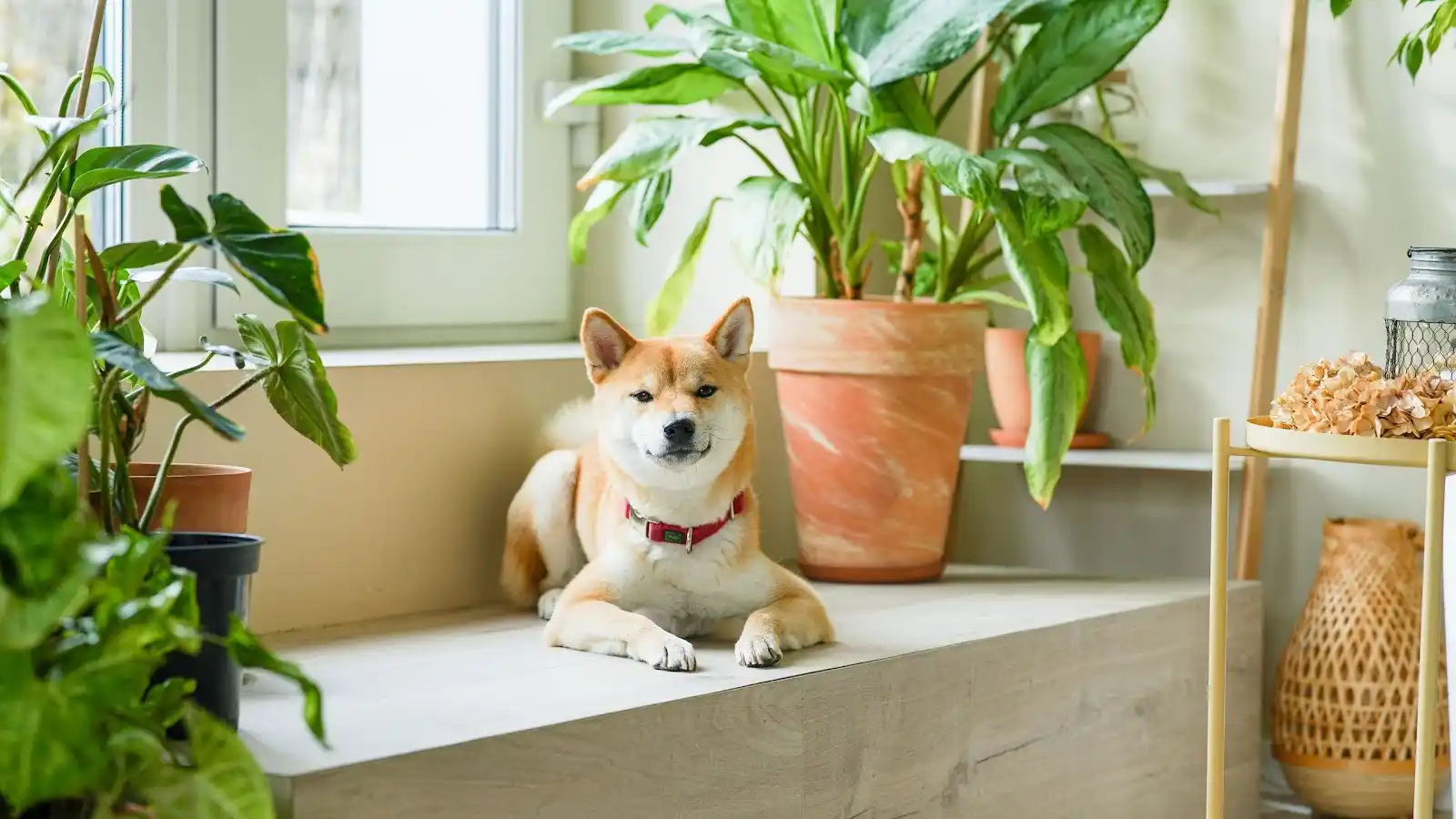
Yes, snake plants are toxic to both cats and dogs. They contain natural compounds called saponins that can cause digestive upset, including vomiting, diarrhea, and drooling if ingested. While toxicity is usually mild to moderate, pet owners should still take precautions to prevent exposure.
Introduction
Snake plants are one of the most popular indoor houseplants in the United States, known for their sleek appearance and low maintenance needs. You will often see them in homes, offices, and even bedrooms because they thrive in low light and require minimal care. However, for pet owners, an important question arises about safety.
If you have a curious cat or a playful dog, understanding whether snake plants pose a risk is essential. From experience, many pet owners assume that all indoor plants are harmless, which is not always true. This guide will walk you through everything you need to know, from basic toxicity to prevention strategies and real solutions.
What Is a Snake Plant?
A snake plant, also known as mother in law tongue, is a hardy indoor plant with long upright leaves and a striking green pattern. It belongs to the Dracaena family and was previously classified under Sansevieria. These plants are native to tropical regions of Africa and Asia.
They are loved for their ability to survive in almost any environment, including low light and irregular watering. In real cases, beginner plant owners often choose snake plants because they are almost impossible to kill. However, their resilience does not mean they are safe for pets.
Why Are Snake Plants Toxic to Cats and Dogs?
Snake plants contain chemical compounds called saponins, which act as a natural defense mechanism against pests and insects. These compounds are beneficial for the plant but harmful to animals when ingested.
When a cat or dog chews on the leaves, saponins interact with their digestive system and cause irritation. From experience, even small bites can lead to noticeable symptoms, especially in smaller pets. The bitterness of the plant sometimes discourages pets, but not always.
How Saponins Affect Pets
Saponins disrupt cell membranes in the digestive tract, leading to inflammation and discomfort. This can result in symptoms like nausea and vomiting shortly after ingestion.
In more sensitive pets, these compounds can also affect red blood cells and cause additional complications. While severe cases are rare, they can still occur if a large amount is consumed.
Are Snake Plants Toxic to Cats?

Yes, snake plants are toxic to cats, although the effects are usually mild to moderate. Cats are naturally curious and often nibble on plants, which increases the risk of exposure.
From real cases, indoor cats are more likely to interact with houseplants due to boredom or curiosity. Even a small bite can lead to symptoms because cats have sensitive digestive systems.
Symptoms in Cats
Cats may show signs of poisoning within a few hours of ingestion. Common symptoms include vomiting, drooling, and loss of appetite.
Some cats may also appear lethargic or show signs of abdominal discomfort. If symptoms persist, it is important to seek veterinary care quickly.
Are Snake Plants Toxic to Dogs?
Snake plants are also toxic to dogs, though dogs typically require a larger amount to experience severe symptoms. However, puppies and smaller breeds are at higher risk.
In real scenarios, dogs that like to chew on objects or dig around plants are more likely to ingest parts of a snake plant. This makes supervision especially important.
Symptoms in Dogs
Dogs may experience nausea, vomiting, diarrhea, and excessive drooling after ingesting the plant. Some dogs may also show signs of weakness or reduced activity.
In more severe cases, symptoms can include dilated pupils or changes in behavior. Monitoring your dog closely after exposure is crucial.
Toxicity Level Explained
Snake plants are considered mildly to moderately toxic to pets. This means that while they are unlikely to cause life threatening issues in small amounts, they can still lead to significant discomfort.
The severity depends on several factors, including the amount consumed, the size of the pet, and their overall health. From experience, smaller pets tend to react more strongly than larger ones.
It is important to remember that even mild toxicity should not be ignored. Early action can prevent complications and ensure your pet recovers quickly.
What Happens If Your Pet Eats a Snake Plant?
If your pet eats a snake plant, symptoms usually appear within a few hours. The digestive system reacts quickly to the saponins, leading to irritation and discomfort.
In real cases, most pets recover within 24 to 48 hours with proper care. However, some may require medical attention depending on the severity of symptoms.
Immediate Effects
The first signs often include drooling and vomiting. Your pet may also refuse food or appear unusually quiet.
These symptoms are the body’s natural response to expel the toxin. While unpleasant, they are usually temporary.
When It Becomes Serious
If your pet continues vomiting, becomes extremely lethargic, or shows signs of dehydration, the situation may require veterinary intervention.
In rare cases, large ingestion can lead to more severe complications. This is why monitoring is essential.
Step by Step Guide: What to Do If Your Pet Ingests a Snake Plant
If you suspect your pet has eaten a snake plant, acting quickly can make a big difference. Follow these steps to ensure their safety.
Step 1: Remove Access
Immediately move the plant away from your pet to prevent further ingestion. Secure it in a location they cannot reach.
This step is critical because pets may continue chewing if the plant is accessible.
Step 2: Check Symptoms
Observe your pet for any signs of vomiting, drooling, or unusual behavior. Take note of when the symptoms started.
This information will help your veterinarian assess the situation more accurately.
Step 3: Contact a Veterinarian
Reach out to your vet as soon as possible, especially if symptoms are severe or persistent. Provide details about your pet’s condition and the amount ingested.
From experience, early consultation often prevents complications and speeds up recovery.
Step 4: Do Not Induce Vomiting
Avoid trying home remedies unless instructed by a professional. Inducing vomiting incorrectly can cause additional harm.
Always follow expert guidance when dealing with plant toxicity.
Step 5: Monitor Recovery
Keep a close eye on your pet over the next 24 hours. Ensure they stay hydrated and comfortable.
If symptoms worsen or do not improve, seek immediate medical attention.
How to Prevent Snake Plant Poisoning
Prevention is the best strategy when it comes to protecting your pets. Creating a safe environment can eliminate the risk entirely.
Keep Plants Out of Reach
Place snake plants on high shelves or in rooms that pets cannot access. Hanging planters can also be effective.
In real homes, elevation is one of the simplest and most reliable solutions.
Use Pet Safe Deterrents
Apply safe deterrent sprays to discourage pets from chewing on plants. These sprays have a bitter taste that pets avoid.
This method works well for both cats and dogs who are persistent.
Provide Alternatives
Offer pet friendly plants or chew toys to redirect your pet’s attention. Cats especially benefit from having safe greenery to explore.
From experience, providing alternatives reduces curiosity and prevents unwanted behavior.
Pet Safe Alternatives to Snake Plants
If you love indoor plants but want to ensure safety, consider switching to non toxic options. Many plants offer similar aesthetics without the risks.
Safe Plant Options
Spider plants are a popular choice with a similar visual appeal. They are non toxic and easy to maintain.
Ponytail palms are another great option, offering a unique look while being safe for pets.
Cast iron plants are durable and resemble snake plants in structure, making them an excellent alternative.
Benefits of Snake Plants Despite Toxicity
Snake plants are still highly valued for their benefits, which is why many people keep them despite the risks.
They help improve indoor air quality by filtering toxins and releasing oxygen. This makes them ideal for bedrooms and living spaces.
From experience, their low maintenance nature makes them perfect for busy individuals. However, balancing these benefits with pet safety is essential.
Common Mistakes Pet Owners Make
Many pet owners unknowingly put their pets at risk due to simple mistakes. Understanding these can help you avoid problems.
One common mistake is assuming that small amounts are harmless. Even minor ingestion can cause symptoms in sensitive pets.
Another mistake is placing plants within easy reach. Pets are more curious than expected and will explore their environment.
Ignoring early symptoms is also risky. Quick action can prevent more serious complications.
Troubleshooting: Managing Exposure and Symptoms
If your pet has already been exposed, knowing how to respond can reduce stress and improve outcomes.
Mild Symptoms
If your pet shows mild symptoms like slight vomiting or drooling, monitor them closely. Ensure they have access to water and a calm environment.
Most mild cases resolve on their own within a day.
Moderate Symptoms
For ongoing vomiting or diarrhea, contact your veterinarian. They may recommend treatment or observation.
From real cases, timely intervention often prevents worsening symptoms.
Severe Symptoms
If your pet shows signs of extreme lethargy, dehydration, or unusual behavior, seek emergency care immediately.
Do not wait in these situations, as rapid treatment is critical.
Quick Safety Checklist
- Keep snake plants out of reach of pets
- Monitor pets around houseplants
- Learn common toxicity symptoms
- Contact a vet immediately if ingestion occurs
- Provide pet safe plant alternatives
- Avoid home remedies without professional advice
FAQs
Are snake plants highly toxic to pets?
Snake plants are considered mildly to moderately toxic. They usually cause digestive upset rather than life threatening conditions, but ingestion should still be taken seriously.
Can a snake plant kill a cat or dog?
In most cases, snake plants do not cause fatal outcomes. However, large ingestion or untreated symptoms can lead to complications, so prompt care is important.
How quickly do symptoms appear?
Symptoms typically appear within a few hours after ingestion. Vomiting and drooling are often the first signs to watch for in both cats and dogs.
Is it safe to keep a snake plant in the same room as pets?
Yes, but only if the plant is completely out of reach. Supervision and proper placement are key to preventing accidental ingestion.
What should I do first if my pet eats a snake plant?
Remove the plant immediately and monitor your pet for symptoms. Contact your veterinarian for guidance, especially if symptoms develop.
Conclusion
Snake plants are beautiful, low maintenance houseplants, but they are not pet safe. The answer to the question are snake plants toxic to cats and dogs is clearly yes, due to the presence of saponins that can cause digestive distress.
While the toxicity is usually mild to moderate, it should never be ignored. Taking preventive steps, recognizing symptoms early, and seeking veterinary advice can ensure your pet stays safe. In the end, creating a home that balances greenery with pet safety is the smartest and most responsible choice.