

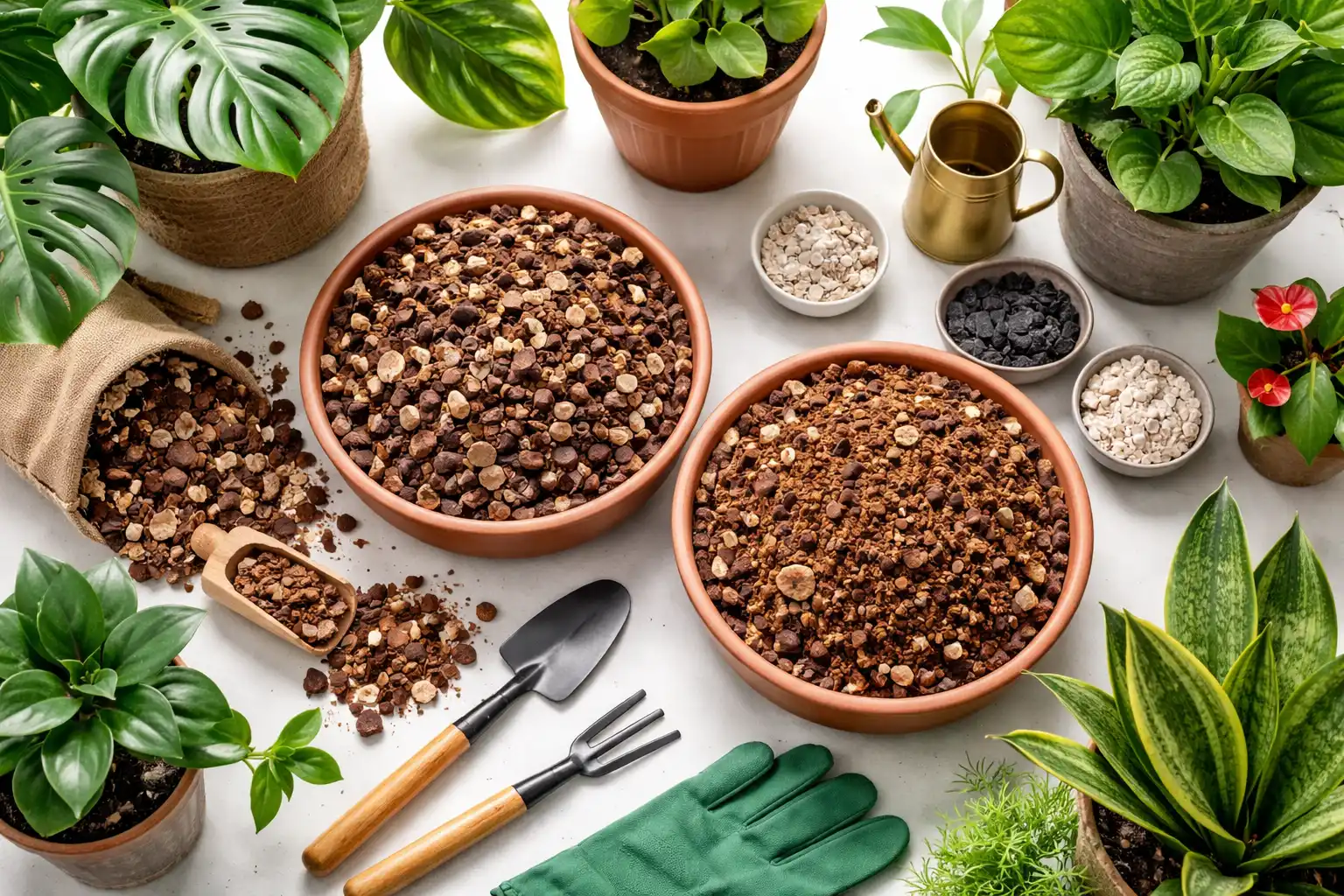
Yes, you can use orchid or tropical soil mix for many houseplants. Orchid mix provides excellent drainage and airflow, while tropical soil mix holds slightly more moisture for foliage plants. In many cases, combining the two creates a balanced, breathable potting medium that supports healthy roots and prevents overwatering problems.
Introduction
Choosing the right soil mix is one of the most important factors in successful indoor plant care. Many beginners assume that all plants grow best in regular potting soil, but that is not always true. Different plants have different root structures and moisture requirements, which means the soil environment must match their natural habitat.
Orchid soil mixes and tropical potting mixes have become increasingly popular among plant owners in the United States. These mixes offer better drainage, airflow, and root support than traditional dense soil. Understanding how they work and when to use them can dramatically improve plant health, reduce root rot, and encourage stronger growth.
This guide explains whether you can use orchid or tropical soil mix, how they differ, and how to use them effectively for different plants. It also covers best practices, common mistakes, and troubleshooting tips to help both beginners and experienced plant owners succeed.
What Is Orchid Soil Mix?
Orchid soil mix is a specialized potting medium designed specifically for orchids and other epiphytic plants that grow on trees rather than in soil. Unlike traditional potting soil, this mix focuses on airflow and rapid drainage to keep roots healthy.
Most orchid mixes contain chunky materials such as bark chips, charcoal, perlite, coconut husk, or lava rock. These ingredients create air pockets that allow oxygen to reach the roots while preventing water from sitting in the pot for too long. This structure mimics the natural environment where orchids grow on tree branches in tropical forests.
From experience, many indoor plant owners start using orchid mix only for orchids but later realize it works well as a soil amendment for other houseplants too. Because it prevents soil compaction and improves aeration, orchid bark is often mixed with regular potting soil for plants that dislike soggy conditions.
Key Ingredients in Orchid Mix
Orchid potting mixes rely on coarse, airy materials instead of dense soil particles. These ingredients help maintain airflow and drainage inside containers.
Common components include bark chips, which provide structure and create large air spaces around the roots. Perlite is often added because it improves drainage and prevents compaction. Charcoal helps absorb impurities and regulate moisture levels in the potting mix.
Some orchid blends also include sphagnum moss or coconut coir. These materials retain a small amount of moisture while still allowing water to drain freely. The balance between moisture retention and airflow is what makes orchid soil mix unique.
Why Orchids Need Special Soil
Orchids naturally grow attached to trees in humid tropical environments. Their roots are exposed to air and rainfall rather than buried in dense soil. Because of this, orchid roots require oxygen and quick drying conditions.
If orchids are planted in traditional potting soil, the roots often suffocate and rot due to excess moisture. The chunky structure of orchid mix prevents this problem by allowing water to flow through quickly while keeping the root zone well ventilated.
This same principle makes orchid mix useful for other plants that require excellent drainage, including many tropical houseplants and epiphytic species.
What Is Tropical Soil Mix?
Tropical soil mix is a potting medium designed for indoor plants that originate from humid rainforest environments. These plants typically grow in rich forest debris where organic matter slowly decomposes and retains moderate moisture.
Unlike orchid mix, tropical soil blends usually contain a base material such as peat moss or coco coir. These ingredients hold water longer while still allowing some airflow. Additional components like perlite, bark, or compost are included to improve structure and drainage.
In real cases, tropical potting mix works well for common houseplants because it strikes a balance between moisture retention and aeration. It does not dry as quickly as orchid mix but still drains better than heavy garden soil.
Typical Ingredients in Tropical Mix
Tropical potting mixes often contain coco coir or peat moss as the main base. These materials hold water while keeping the soil lightweight and fluffy. Perlite or vermiculite is usually added to improve aeration and prevent soil compaction.
Bark chips or organic compost may also be included to mimic the natural forest floor environment. Some commercial blends contain slow release fertilizer to support plant growth during the early months after repotting.
These ingredients together create a balanced growing medium suitable for a wide range of tropical houseplants such as pothos, ferns, palms, and philodendrons.
How Tropical Mix Differs from Regular Potting Soil

Regular potting soil can sometimes become dense and compact over time. When this happens, water drains slowly and oxygen cannot easily reach the roots. This condition often leads to root rot or fungal issues.
Tropical mixes are designed to avoid this problem by including drainage materials like bark and perlite. The result is a lighter, more breathable soil that supports strong root development while still providing enough moisture for tropical foliage plants.
Can You Use Orchid Soil Mix for Other Plants?
Yes, orchid soil mix can be used for other plants, especially those that prefer fast draining and well aerated soil. Many indoor plant species benefit from the airflow and structure provided by bark based mixes.
However, orchid mix alone may not always provide enough moisture retention for certain plants. Because it drains very quickly, some plants may dry out faster than expected. This is why many plant experts recommend blending orchid mix with other soil components.
From practical experience, using orchid bark as an amendment often produces better results than using it alone. When combined with potting soil or coco coir, it creates a chunky, breathable mixture that supports healthy root systems for plants like snake plants when grown in the best soil for snake plants.
Plants That Thrive in Orchid Mix
Several houseplants naturally grow on trees or in loose forest debris, making them well suited to bark based potting mixes. These plants benefit from the airflow and drainage that orchid soil provides.
Popular examples include Monstera, Philodendron, Anthurium, Hoya, and many bromeliads. These plants often develop stronger roots and better growth when grown in airy soil blends that mimic their natural environment.
Some succulent varieties and snake plants can also benefit from small amounts of orchid bark mixed into their soil. The bark helps prevent moisture buildup and reduces the risk of snake plant root rot.
Can You Use Tropical Soil Mix for Orchids?
Using tropical soil mix alone for orchids is generally not recommended. While tropical blends drain better than standard potting soil, they still retain more moisture than orchids typically require.
Orchid roots prefer airy environments where water flows quickly through the pot. Tropical soil may hold too much moisture around the roots, which can lead to fungal problems or root rot over time.
That said, tropical soil mix can sometimes be used as a component in custom orchid blends. Adding bark, perlite, or lava rock can improve drainage and create a more suitable growing medium for orchids.
Best Way to Combine Orchid and Tropical Soil Mix
Many experienced plant owners prefer combining orchid mix and tropical soil mix to create a balanced potting medium. This hybrid approach improves both moisture retention and drainage.
A common strategy is to use tropical soil as the base and add orchid bark for structure. Perlite or pumice can also be included to increase aeration. The result is a chunky, breathable soil mix that supports many tropical houseplants and even hardy species like snake plants when grown with the perfect soil mix.
From experience, this blended approach works particularly well for aroids such as Monstera and Philodendron. These plants appreciate both moisture and airflow around their roots.
Simple Aroid Soil Mix Recipe
A simple recipe can help create an effective indoor plant soil blend.
Use two parts of a tropical potting mix as the base material. Add one part orchid bark to improve airflow and drainage. Then include one part perlite or pumice to keep the soil loose and well aerated.
This combination creates a chunky potting mix that holds enough moisture while preventing the roots from sitting in soggy soil.
Step by Step Guide to Using Orchid or Tropical Soil Mix
Repotting plants using the correct soil mixture helps prevent stress and improves long term growth. Following a simple step by step process ensures the plant adapts well to its new container.
Step 1 Choose the Right Mix
Start by identifying the needs of the plant. Epiphytic plants like orchids and hoyas benefit from bark based mixes. Tropical foliage plants usually perform best in a balanced mix that contains both moisture retaining and drainage materials.
Selecting the appropriate blend is important because the wrong soil type can cause either dehydration or root rot.
Step 2 Prepare the Soil Blend
If you plan to combine orchid and tropical soil mixes, measure the ingredients before mixing. Blend the materials thoroughly so that bark, perlite, and organic components are evenly distributed.
This step ensures the potting medium provides consistent drainage and moisture retention throughout the container.
Step 3 Repot the Plant
Remove the plant from its old container and gently loosen the roots. Trim any dead or mushy roots using clean scissors. Place the plant into a new pot with drainage holes and fill around the roots with the prepared soil mixture.
Press the soil lightly to stabilize the plant but avoid compacting the mix too tightly.
Step 4 Water and Monitor
After repotting, water the plant thoroughly until excess water drains from the bottom of the pot. Over the next few weeks, monitor how quickly the soil dries and adjust watering frequency accordingly.
Because orchid bark based mixes drain faster, some plants may require slightly more frequent watering. For drought tolerant plants like snake plants, it is important to understand how often to water snake plants so the soil does not stay overly wet.
Benefits of Using Orchid or Tropical Soil Mix
Using specialized soil blends offers several advantages compared with standard potting soil. These mixes create healthier root environments and reduce common plant care problems.
One of the biggest benefits is improved drainage. Excess water flows through the soil quickly, reducing the risk of root rot and fungal growth.
Another advantage is better root aeration. Air pockets in the soil allow oxygen to reach the roots, which promotes stronger growth and nutrient absorption.
These mixes also prevent soil compaction over time. Traditional soil can become dense in containers, but bark and perlite help maintain a loose structure that supports long term plant health.
Common Mistakes to Avoid
Even though orchid and tropical soil mixes are beneficial, using them incorrectly can create new problems for plants. Understanding common mistakes helps prevent these issues.
One frequent mistake is using pure orchid mix for plants that require consistent moisture. Because bark drains quickly, these plants may dry out faster than expected, while excessive watering can also lead to problems such as an overwatered snake plant.
Another mistake is overwatering after switching to a new soil type. When drainage improves, watering habits may need adjustment to avoid unnecessary stress on the roots.
Some plant owners also forget to choose pots with drainage holes. Without proper drainage, even the best soil mix can trap water and damage plant roots.
Troubleshooting Soil Mix Problems
Sometimes plants show signs of stress after repotting into a new soil blend. Understanding the causes can help fix the issue quickly.
If the plant wilts or dries out rapidly, the mix may be too airy. Adding coco coir or peat moss can increase moisture retention and stabilize watering intervals.
If the soil stays wet for too long, it may contain too much organic material. Adding more orchid bark, pumice, or perlite can improve drainage and airflow.
From experience, soil adjustments often solve these problems quickly. Plants usually recover once the root environment becomes balanced again.
Quick Checklist for Choosing the Right Mix
Use the following checklist when deciding whether to use orchid mix, tropical soil mix, or a combination.
• Identify whether the plant prefers fast drainage or moderate moisture
• Check if the plant naturally grows on trees or in soil
• Choose orchid mix for epiphytic plants and bark loving species
• Use tropical soil mix for foliage plants that enjoy consistent moisture
• Combine both mixes for balanced airflow and water retention
This quick evaluation helps ensure the potting medium matches the plant’s natural environment.
FAQs
Can orchid soil mix replace regular potting soil?
Orchid soil mix can replace regular soil for plants that need excellent drainage and airflow. However, many houseplants prefer a balanced mixture that retains some moisture. Mixing orchid bark with tropical soil often provides better results.
Is tropical soil mix good for all houseplants?
Tropical soil mix works well for many indoor plants, especially foliage species that enjoy moderate moisture. However, plants that require extremely fast drainage, such as orchids or some succulents, may need additional bark or perlite.
How often should plants in orchid mix be watered?
Plants grown in orchid mix usually need watering more frequently because the bark drains quickly. The exact schedule depends on humidity, pot size, and plant type, and understanding how much water snake plants need can help prevent watering mistakes.
Can you mix orchid bark with tropical soil mix?
Yes, combining orchid bark with tropical soil mix is a common practice. The bark improves drainage and aeration while the tropical soil retains moisture. This combination is ideal for many tropical houseplants.
Which plants benefit most from orchid bark in soil?
Plants that naturally grow on trees or in loose forest environments benefit the most. Examples include Monstera, Philodendron, Anthurium, and Hoya. These plants thrive in chunky, breathable soil mixes.
Conclusion
So, can you use orchid or tropical soil mix? The answer is yes, but the best choice depends on the plant’s natural growing environment. Orchid mix offers exceptional drainage and airflow, while tropical soil mix provides balanced moisture retention for foliage plants.
In many cases, combining the two creates the ideal potting medium. This hybrid approach supports healthy roots, prevents soil compaction, and reduces the risk of overwatering problems.
By understanding how orchid and tropical soil mixes work, plant owners can create better growing conditions for their indoor plants. Choosing the right soil blend is one of the most effective ways to improve plant health and long term growth.